04.06.2026
The architectural and ecological restorative vision of Sir Michael Moritz
As their Florence outpost opens this summer, we offer an insight into Borgo Pignano and its philosophical foundations.
The acquisition and subsequent evolution of Borgo Pignano from a derelict medieval hamlet into a globally recognised benchmark for sustainable luxury and artistic patronage represents a singular convergence of historical stewardship, environmental ethics, and personal biography.
For Sir Michael Moritz, a figure predominantly associated with the high-velocity world of Silicon Valley venture capital and the editorial rigor of his early career in journalism, Borgo Pignano is not merely a diversification of a portfolio or real estate investment.
Located on a 750-acre estate between the ancient Etruscan town of Volterra and the medieval towers of San Gimignano, Borgo Pignano serves as a living laboratory for what Moritz terms the “luxury of self-sufficiency,” a concept that prioritises temporal depth and ecological resilience over the transient markers of modern opulence.
Sustainable infrastructure and energy self-sufficiency
Moritz’s background in technology and finance is evident in the discreet, yet efficient infrastructure that supports the estate’s ecological goals. He viewed it as a duty to refashion the property’s relationship with the environment, leading to the implementation of several key technologies:
- Biomass heating
The estate uses a central furnace fuelled by woodchips harvested from its own 700 acres of forest, providing a renewable source of heat for the villa and outbuildings. - Solar power
Photovoltaic panels supplement the electricity needs of the resort, balancing modern comfort with renewable energy. - Water management
Ancient wells and cisterns have been restored to collect rainwater, which is used for irrigation and maintaining the lush landscapes during parched Tuscan summers. - Eco-mobility
The installation of e-vehicle recharging ports encourages low-emission travel for guests exploring the region.
The result is an estate that operates with the ‘lightest possible energy footprint,’ turning once-ochre fields into a verdant ‘Garden of Eden’ that supports a thriving population of wild boar, roe deer and protected avian species.
Hospitality as a sensory and philosophical retreat
The guest experience at Borgo Pignano is a deliberate exercise in ‘understated pleasure’ and the removal of modern distractions. Moritz and his team of passionate hoteliers have created an environment where technology is downplayed; rooms are famously devoid of televisions and clocks, and things with “annoying buzzing and lights” are excluded. This is intended to encourage guests to spend their time discovering the various spaces of the estate, from the infinity pool carved into an ancient limestone quarry to the medieval church and its surrounding gardens and fields.
The resort operates with an ‘elegant yet informal’ philosophy, aiming to make guests feel like they are visiting the country home of a wealthy, albeit absent, friend. The presence of Moritz is felt through the books he has authored on bedside tables and the specific selection of art on the walls, yet the operation is led by General Manager Simone Arcucci, who together with the CEO Luciano Lusardi, ensure that the “soulful” nature of the retreat remains paramount. Activities offered to guests, such as truffle hunting, forest bathing, and beekeeping, are designed to foster a deeper connection with the natural environment.
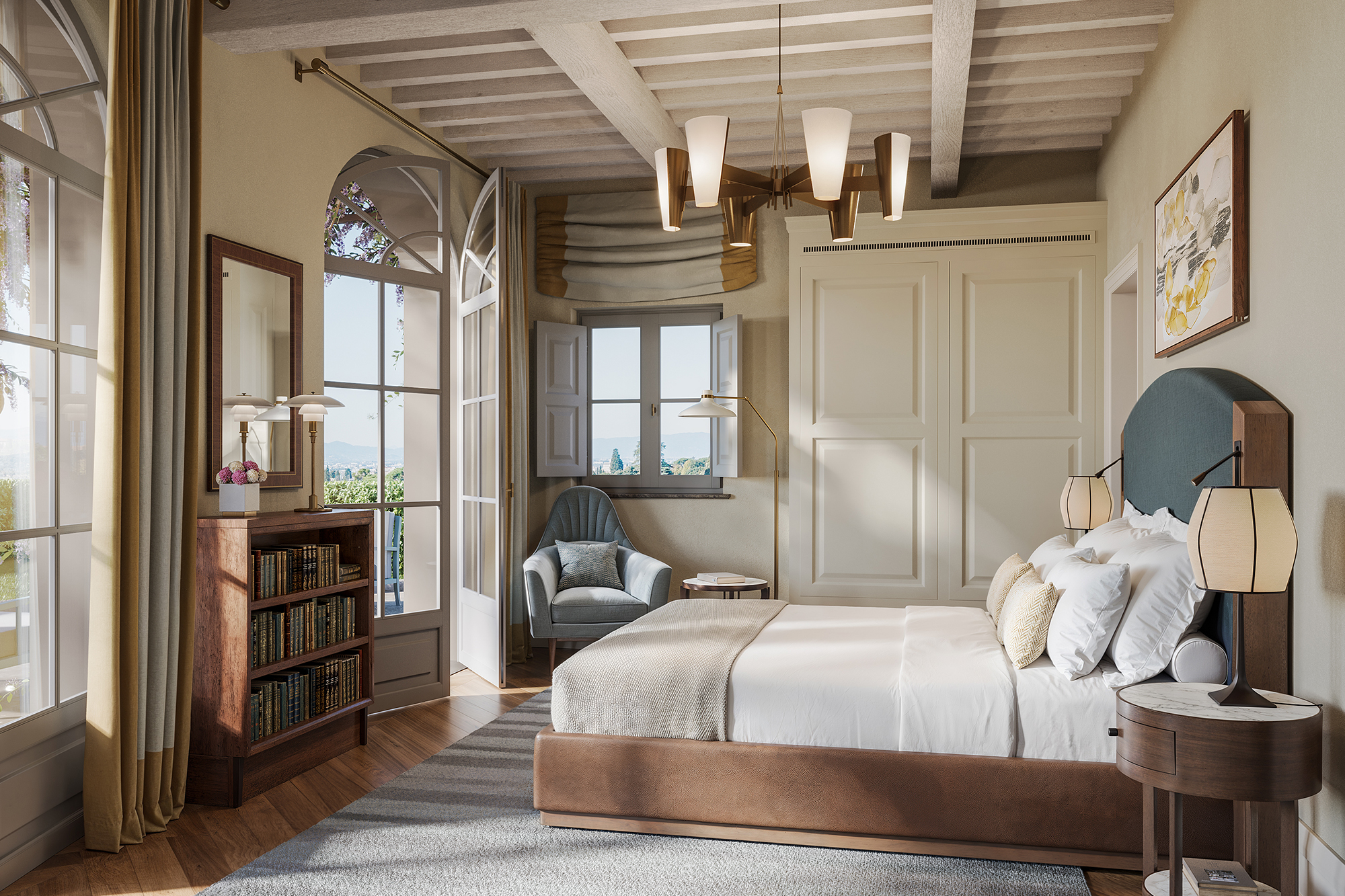
Borgo Pignano Florence will embody the virtues visitors to Borgo Pignano Tuscany cherish: suites and rooms with character and charm; a commitment to sustainability and locally sourced foods; generous public spaces; the estate's magnificent 30-metre heated outdoor pool; wellness facilities; and modern technology.
Luciano Lusardi
CEO of Borgo Pignano
⅏
Borgo Pignano Florence
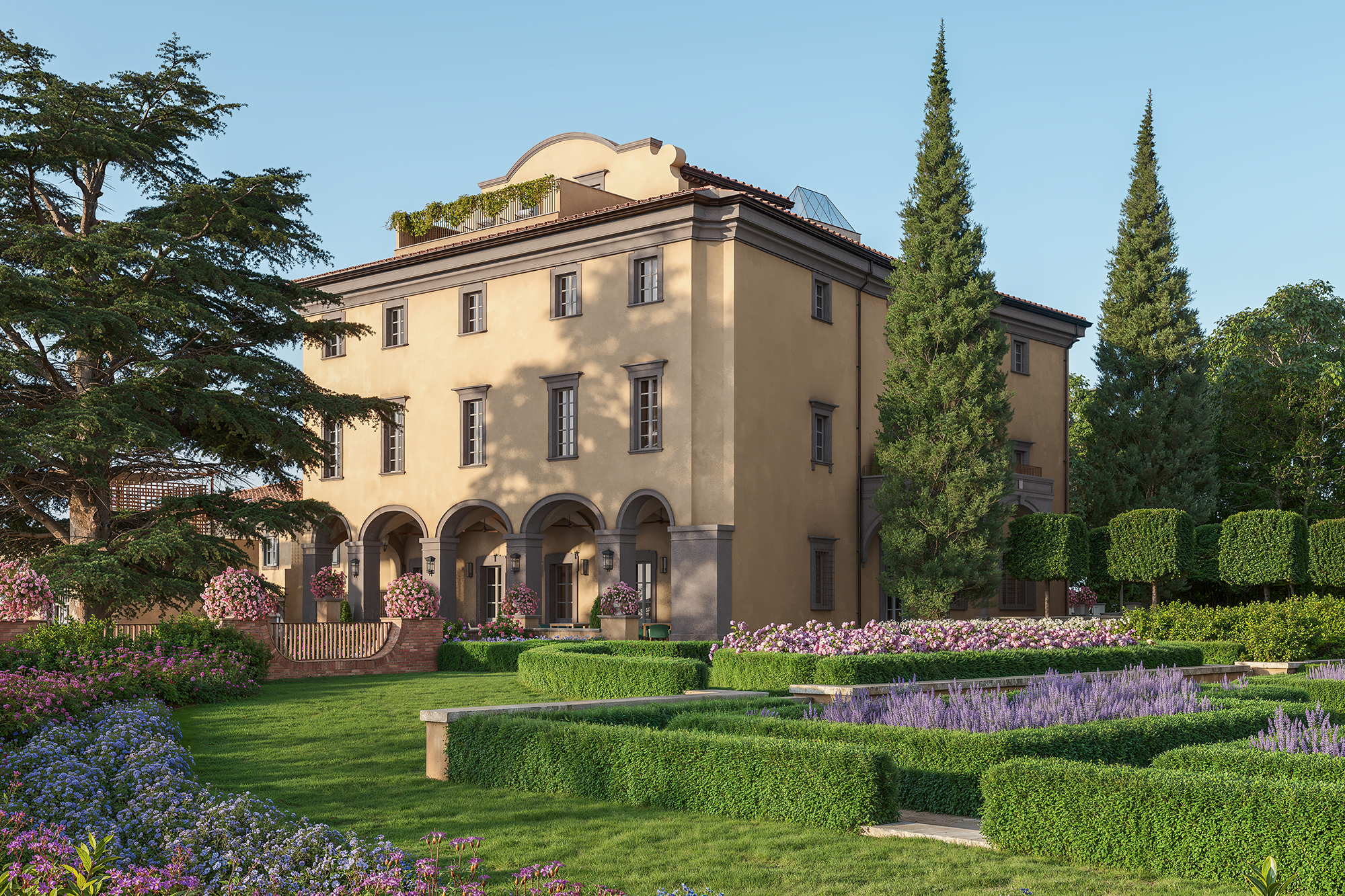
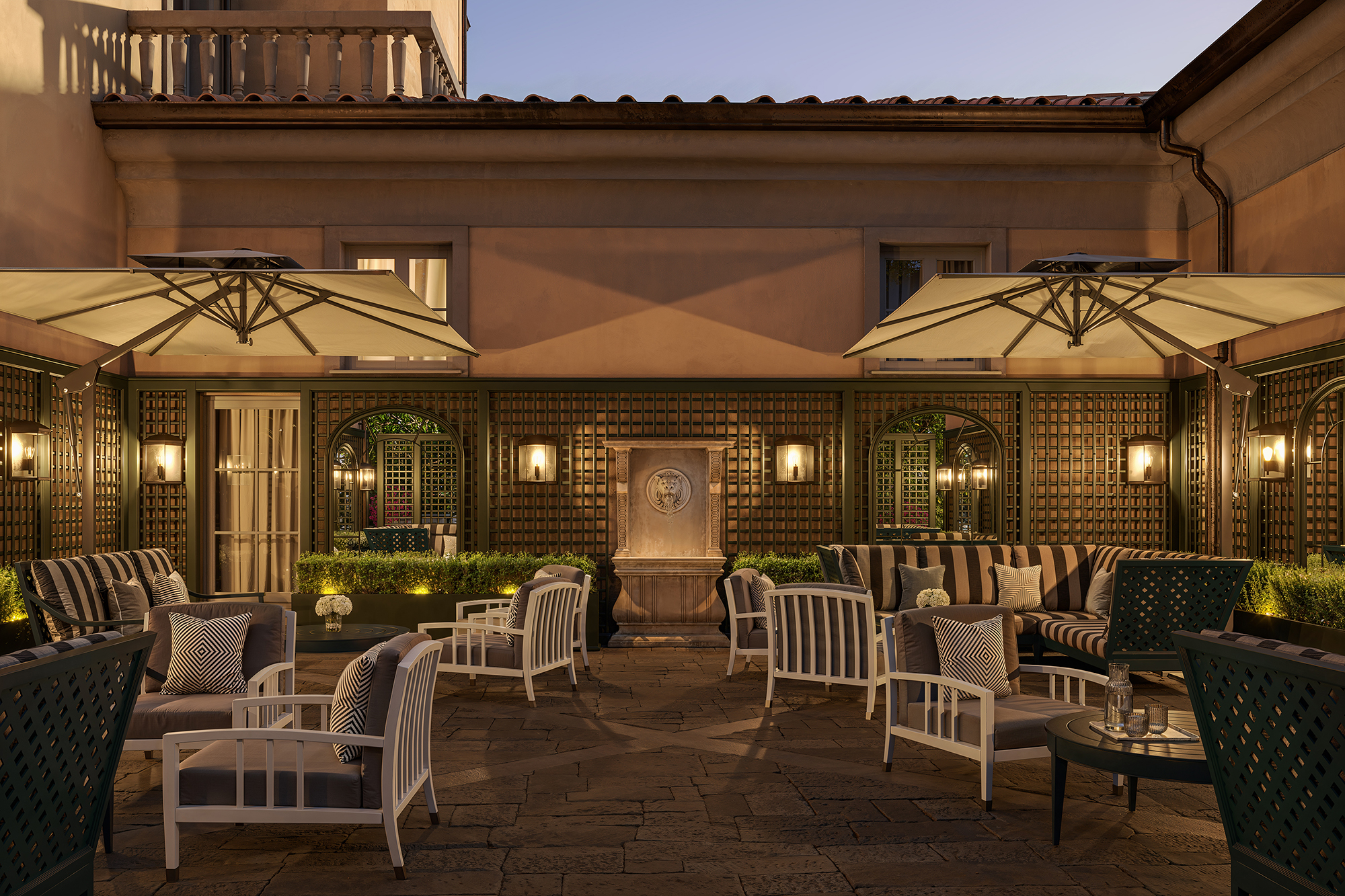
This summer, Borgo Pignano will welcome its second property in Florence, an exquisitely curated city retreat, a Florentine secret, hidden on a hillside at the city’s northern edge, surrounded by 5 acres of gardens offering a quiet retreat from the sights that lie within reach. Sharing the same spirit and sensibility as Borgo Pignano Tuscany, its sister property will be a place where time slows, nature leads, and every gesture feels personal.
Borgo Pignano’s new Florentine hotel will continue the Group’s commitment to sustainable practices. Ecologically sensitive materials will be used during the restoration and there will be an emphasis on a small energy footprint. Foods and wines will be sought mainly from the best small, local suppliers and will be served alongside Borgo Pignano’s own wines, olive oil, vinegars, pastas, and preserves.
Luciano Lusardi, CEO of Borgo Pignano, said, “Our new hotel in Florence will bring the soul of the Italian countryside to the heart of Florence. Borgo Pignano Florence will embody the virtues visitors to Borgo Pignano Tuscany cherish: suites and rooms with character and charm; a commitment to sustainability and locally sourced foods; generous public spaces; the estate’s magnificent 30-metre heated outdoor pool; wellness facilities; and modern technology.”
Borgo Pignano Florence is set within five acres of private grounds, the largest of any hotel in Florence, where eleven historic buildings echo a borgo: a cluster of dwellings, gardens, paths, and gathering places. Borgo Pignano’s newest retreat is close to the heart of Florence but far enough away to create a sense of serenity.
TO GET IN TOUCH PLEASE EMAIL US